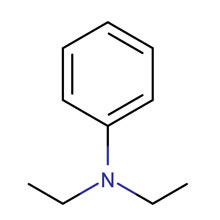
91-66-7 (N,N-Diethylaniline) is a widely used aromatic tertiary amine in the chemical industry. It plays an important role in dye manufacturing, rubber chemicals, pharmaceuticals, and specialty organic synthesis. Due to its chemical nature and potential health hazards, proper safety, handling, and storage practices are essential when working with this compound.
This article provides a comprehensive guide to the safe use, risk management, and storage requirements of 91-66-7 (N,N-Diethylaniline) in laboratory and industrial environments.
Chemical Name: N,N-Diethylaniline
CAS Number: 91-66-7
Molecular Formula: C₁₀H₁₅N
Molecular Weight: 149.23 g/mol
Chemical Class: Aromatic tertiary amine
Appearance: Colorless to pale yellow liquid
Odor: Characteristic amine-like odor
N,N-Diethylaniline consists of an aniline ring substituted with two ethyl groups attached to the nitrogen atom, giving it enhanced basicity and reactivity compared to aniline.
Like many aromatic amines, N,N-Diethylaniline may pose health and environmental risks if improperly handled.
Skin and eye irritation
Respiratory tract irritation
Harmful if inhaled or absorbed through skin
Possible toxic effects with prolonged exposure
May cause methemoglobinemia in high exposure cases
Toxic to aquatic life
Should not be released into drains or natural water systems
Proper risk assessment should be conducted before handling this compound in bulk quantities.
When handling 91-66-7 (N,N-Diethylaniline), always use:
Chemical-resistant gloves (nitrile or neoprene)
Safety goggles or face shield
Laboratory coat or chemical-resistant apron
Respiratory protection if ventilation is insufficient
Use in well-ventilated areas
Preferably handle inside a fume hood
Avoid inhalation of vapors
Avoid direct skin contact
Do not ingest or inhale vapors
Wash hands thoroughly after handling
Do not eat, drink, or smoke in work areas
In case of accidental exposure:
Skin Contact: Wash immediately with soap and water
Eye Contact: Rinse thoroughly with water for at least 15 minutes
Inhalation: Move the affected person to fresh air
Ingestion: Seek immediate medical attention
Always provide the Safety Data Sheet (SDS) to medical personnel.
Proper storage of 91-66-7 (N,N-Diethylaniline) ensures stability and reduces risk.
Store in tightly sealed containers
Keep in a cool, dry, well-ventilated area
Protect from direct sunlight
Keep away from heat and ignition sources
Store away from strong oxidizing agents and acids
Use corrosion-resistant containers
Ensure proper labeling with hazard warnings
Maintain secondary containment in industrial settings
Absorb with inert material (sand, vermiculite)
Collect in chemical waste container
Dispose according to local regulations
Evacuate area
Use appropriate protective equipment
Prevent environmental contamination
Contact emergency response team
Dispose of in accordance with local, regional, and national regulations
Do not discharge into wastewater systems
Follow hazardous waste management guidelines
Industrial facilities should follow environmental compliance standards to avoid regulatory violations.
N,N-Diethylaniline is subject to chemical safety regulations in many countries. Businesses must ensure:
Proper labeling and documentation
Compliance with occupational safety guidelines
Maintenance of updated Safety Data Sheets
Employee training programs
91-66-7 (N,N-Diethylaniline) is an important industrial chemical with wide-ranging applications, but it requires careful handling due to its potential health and environmental risks. By following strict safety procedures, using appropriate PPE, and adhering to recommended storage practices, industries can minimize hazards and ensure safe operations.
Implementing proper chemical safety management not only protects workers but also ensures regulatory compliance and environmental responsibility.