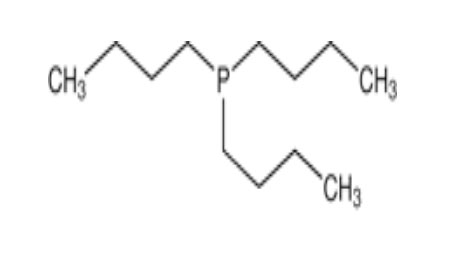
Organophosphorus compounds are essential tools in modern synthetic chemistry, particularly in catalysis and fine chemical production. 998-40-3 (Tri-n-butylphosphine) is one such highly valuable reagent, widely recognized for its strong nucleophilicity and reducing ability. This compound plays a critical role in organic synthesis, pharmaceutical research, and industrial chemistry. In this article, we explore its properties, applications, and chemical significance.
CAS Number: 998-40-3
Chemical Name: Tri-n-butylphosphine
Molecular Formula: C₁₂H₂₇P
Compound Type: Organophosphorus compound (trialkylphosphine)
Tri-n-butylphosphine consists of a central phosphorus atom bonded to three n-butyl groups. This structure gives the compound high reactivity and makes it an excellent ligand and reducing agent in various chemical reactions.
Appearance: Colorless to pale yellow liquid
Odor: Strong, characteristic phosphine odor
Solubility: Soluble in common organic solvents
Reactivity: Strong nucleophile and reducing agent
Air Sensitivity: Can oxidize upon exposure to air
These properties allow Tri-n-butylphosphine to participate efficiently in sensitive and selective chemical transformations.
Tri-n-butylphosphine is widely used as a reducing agent in organic chemistry, especially for converting azides to amines and in other functional group transformations.
Due to its strong electron-donating ability, this compound serves as a ligand in transition-metal catalysis, improving reaction rates and selectivity in coupling reactions.
The compound is commonly employed in drug development processes and fine chemical synthesis where controlled reactivity is essential.
Tri-n-butylphosphine is also used in polymer chemistry and surface modification processes, supporting advanced material development.
The significance of 998-40-3 (Tri-n-butylphosphine) lies in its exceptional reactivity and versatility. Its ability to act both as a ligand and as a reducing agent makes it indispensable in:
Advanced organic synthesis
Homogeneous catalysis
Pharmaceutical research
Industrial chemical processes
Its efficiency helps reduce reaction steps, improving yield and process economy.
Tri-n-butylphosphine requires careful handling due to its reactivity:
Handle under inert atmosphere when possible
Use appropriate personal protective equipment (PPE)
Store in tightly sealed containers away from air and moisture
Refer to the Safety Data Sheet (SDS) before use
Proper safety practices ensure reliable and secure laboratory operations.
998-40-3 (Tri-n-butylphosphine) is a powerful and versatile organophosphorus reagent with wide-ranging applications in chemistry. From catalysis to pharmaceutical synthesis, its unique properties make it a cornerstone compound in modern chemical research and industrial production. As demand for efficient and selective reagents grows, Tri-n-butylphosphine continues to hold significant chemical importance.