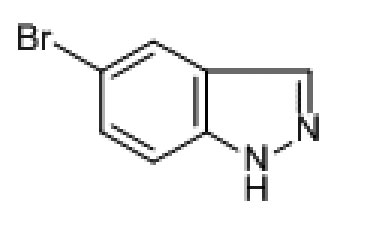
5-Bromoindazole (CAS 53857-57-1) is an important heterocyclic compound widely used in pharmaceutical research, organic synthesis, and the development of biologically active molecules. Like many laboratory reagents, it requires proper handling practices to ensure safety and preserve its chemical integrity.
This guide offers chemists a clear and practical overview of the safety measures, handling procedures, storage conditions, and best laboratory practices for working with 5-Bromoindazole.
5-Bromoindazole is an indazole derivative with a bromine atom substituted at the 5-position. Its structure makes it a highly useful intermediate in:
Drug discovery and medicinal chemistry
Synthesis of enzyme inhibitors
Design of anti-inflammatory, anticancer, and antimicrobial agents
Production of heterocyclic building blocks
Though it is not known to be highly hazardous, careful handling is necessary to avoid exposure and contamination.
While detailed toxicological data may be limited, common risks associated with heterocyclic brominated compounds include:
Skin and eye irritation
Respiratory discomfort if inhaled
Potential harm if swallowed
Always wear:
Lab coat
Nitrile gloves
Safety goggles
Closed-toe footwear
For larger-scale handling or weighing powders, a dust mask or fume hood is recommended to avoid inhalation.
Eye Contact: Rinse immediately with clean water for at least 15 minutes. Seek medical attention.
Skin Contact: Wash with soap and water; remove contaminated clothing.
Inhalation: Move to fresh air; consult a physician if symptoms persist.
Ingestion: Do not induce vomiting. Seek medical assistance immediately.
Conduct weighing and transfers inside a fume hood.
Avoid generating dust or aerosols.
Prevent cross-contamination with other chemicals.
Do not touch eyes, face, or skin while working.
Wash hands thoroughly after handling.
Use dry spatulas or micro-scoops.
Ensure glassware and containers are moisture-free to preserve product purity.
To maintain stability and prevent degradation:
Store in a cool, dry place, away from sunlight.
Keep the container tightly sealed.
Avoid exposure to moisture and air.
Temperature: Room temperature (20–25°C) unless specified otherwise on the supplier label.
Container: Amber glass or sealed polymer containers.
Strong oxidizing agents
Strong reducing agents
Sources of ignition
Highly acidic or basic environments
Proper storage prevents decomposition and ensures consistent results in experimental workflows.
Dispose of 5-Bromoindazole waste according to local chemical disposal regulations.
Contaminated materials (gloves, wipes, vials) should be placed in properly labeled hazardous waste bins.
Never pour chemical residues down the drain.
Maintain clear labeling on all containers and solutions.
Record batch numbers, storage conditions, and shelf life.
Keep Safety Data Sheets (SDS) accessible in the lab.
Train all users before allowing them to handle the chemical independently.
5-Bromoindazole (53857-57-1) is a valuable compound in modern chemical research, especially for pharmaceuticals and synthetic chemistry. By following proper safety, handling, and storage practices, chemists can ensure a safe working environment and maintain the quality of this important reagent.