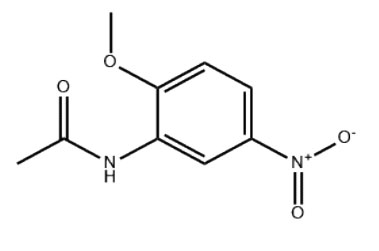
Acetamide, N-(2-methoxy-5-nitrophenyl), identified by CAS No. 33721-54-9, is an important aromatic acetamide compound used in chemical and pharmaceutical research. With its nitro and methoxy functional groups, this compound is valued as a key intermediate in organic synthesis and medicinal chemistry.
This article provides a clear overview of its chemical identity, structure, properties, applications, and handling considerations.
CAS Number: 33721-54-9
Chemical Name: Acetamide, N-(2-methoxy-5-nitrophenyl)
Molecular Class: Aromatic amide
Functional Groups: Acetamide, nitro (–NO₂), methoxy (–OCH₃)
The combination of electron-donating and electron-withdrawing groups makes this compound useful for targeted chemical modifications.
This compound consists of a phenyl ring substituted with methoxy and nitro groups, linked to an acetamide moiety. The molecular arrangement contributes to:
Balanced electronic properties
Controlled reactivity in substitution reactions
Suitability for multi-step synthesis pathways
Good chemical stability
Soluble in common organic solvents
Suitable for laboratory-scale synthesis and analysis
Acetamide, N-(2-methoxy-5-nitrophenyl) is widely used as a synthetic intermediate in:
Drug discovery research
Structure–activity relationship (SAR) studies
Development of aromatic amide-based compounds
Acts as a precursor for advanced nitroaromatic derivatives
Useful in heterocycle synthesis and functional group transformations
Supports custom synthesis and process development
Research laboratories utilize this compound for:
Reaction mechanism studies
Substitution and reduction chemistry
Method optimization in aromatic systems
To maintain purity and stability:
Store in a cool, dry, and well-ventilated environment
Protect from excessive heat and moisture
Handle with standard laboratory PPE such as gloves and safety glasses
Following proper storage and handling ensures consistent research results.
High-quality material is typically supplied with:
Certificate of Analysis (COA)
Purity and identity confirmation
Batch-level traceability
Selecting a reliable supplier ensures accuracy and reproducibility in research and industrial applications.
Acetamide, N-(2-methoxy-5-nitrophenyl) (CAS 33721-54-9) is a valuable aromatic amide used across pharmaceutical, chemical, and academic research. Its functional versatility and stable chemical profile make it an important building block for advanced organic synthesis and drug development.